
Shwaiat Wa3i
Shwaiat Wa3i was a strategic communications and behavior-change initiative developed for Saudi Public Security under the Saudi Ministry of Interior as part of Target Point’s multidisciplinary team.
- Client
- Public Security Directorate — Saudi Ministry of Interior
- Services
- Strategic Communications, Audience & Media Analysis, Behavior-Change Strategy, Integrated Campaign Planning
- Industry
- Government / Public Safety
- Role
- Strategic Communications & Campaign Planning — Target Point Team
Shwaiat Wa3i was a strategic communications and behavior-change initiative developed for Saudi Public Security under the Saudi Ministry of Interior as part of Target Point’s multidisciplinary team.
The initiative addressed a wider road-safety challenge involving risky driving behaviors among young audiences. Rather than starting with another awareness campaign, the team examined why repeated safety messages were not creating enough behavioral change.
Audience understanding, media analysis, and communication diagnosis became the foundation for an integrated approach combining entertainment-led content, digital and social media, PR, nationwide awareness communication, community engagement, and sustained campaign activity.
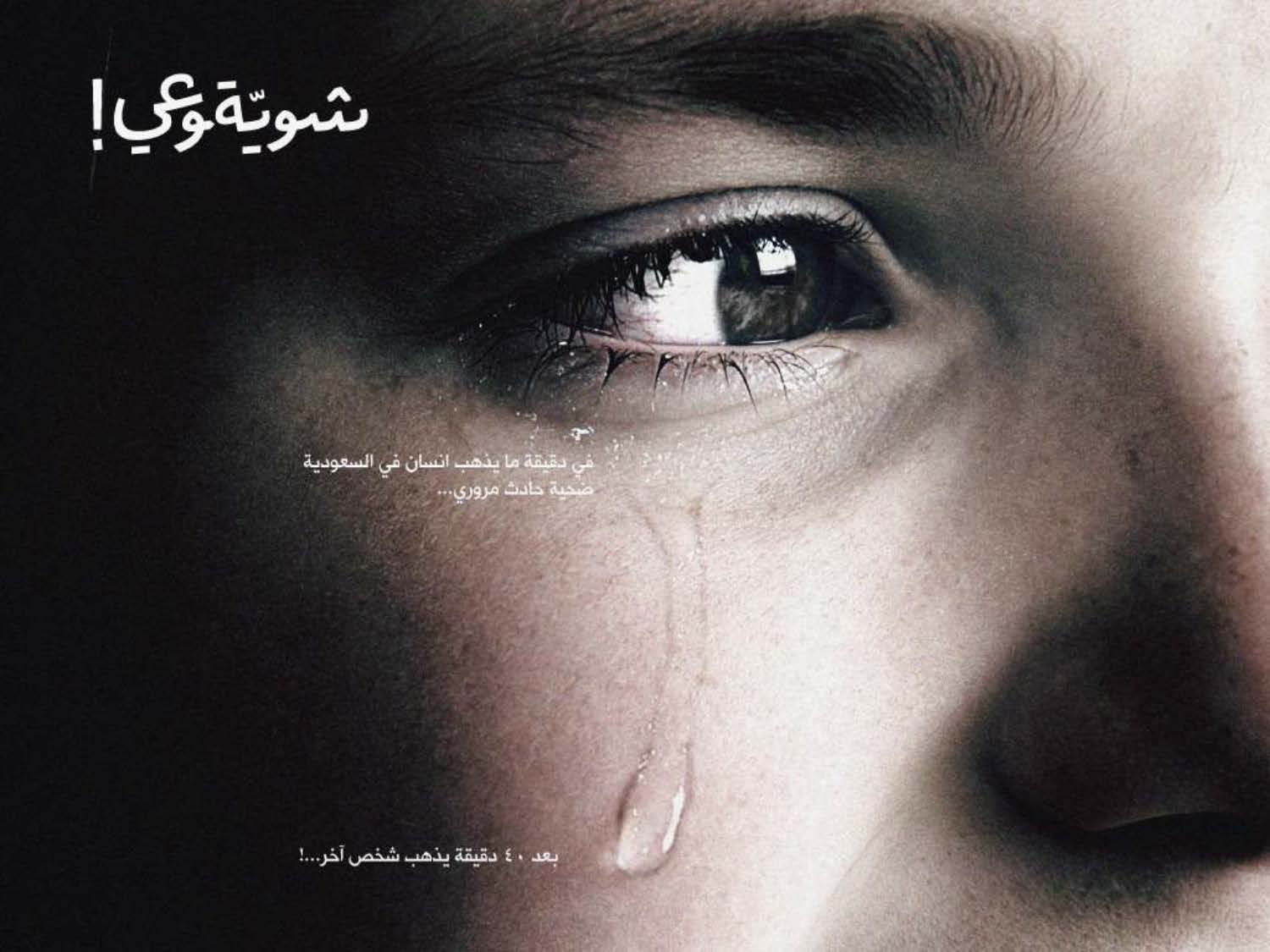
WHEN AWARENESS EXISTS, BUT BEHAVIOR DOESN’T CHANGE
Road-safety communication was already highly active. Government bodies, media, private organizations, and public campaigns had repeatedly communicated the risks and consequences of dangerous driving.
Yet risky behaviors continued.
That changed the nature of the challenge. The question was no longer simply how to create more awareness, but why existing awareness was not translating into behavioral change.
The team needed to understand how young audiences consumed media, what captured their attention, which communication approaches they resisted, and how public-safety communication could become more relevant to their everyday world.
KEY CHALLENGES INCLUDED
- 01Moving beyond one-way warnings, fear, and preaching
- 02Reaching young audiences through the channels they actually used
- 03Making communication culturally relevant without losing public-safety authority
- 04Turning passive exposure into engagement and participation
- 05Creating continuity beyond a short campaign burst
DESIGNING FOR BEHAVIOR CHANGE, NOT JUST AWARENESS
The strategy began by questioning why repeated road-safety communication was not creating enough behavioral change. We examined the communication model itself how messages were being delivered, how young audiences consumed media, what captured their attention, and where existing approaches were losing relevance.
The findings led to a shift from one-way awareness toward a communication model built around relevance, participation, community, and sustained influence.
COMMUNICATION DIAGNOSIS
We reviewed prevailing road-safety communication approaches to understand why repeated warnings, fear, preaching, and consequence-led messages were not creating enough behavioral impact.
AUDIENCE & MEDIA INSIGHT
We studied how young audiences consumed content, which channels shaped their attention, and how communication could enter their everyday world more naturally and credibly.
BEHAVIOR-CHANGE FRAMEWORK
The findings were translated into a five-phase strategic model Pull, Push, Remind, Engage, Retain designed to move the audience from attention toward participation and sustained influence.
INTEGRATED COMMUNICATION SYSTEM
The strategy connected entertainment-led content, digital and social media, PR, nationwide awareness communication, and community engagement into one coordinated system.
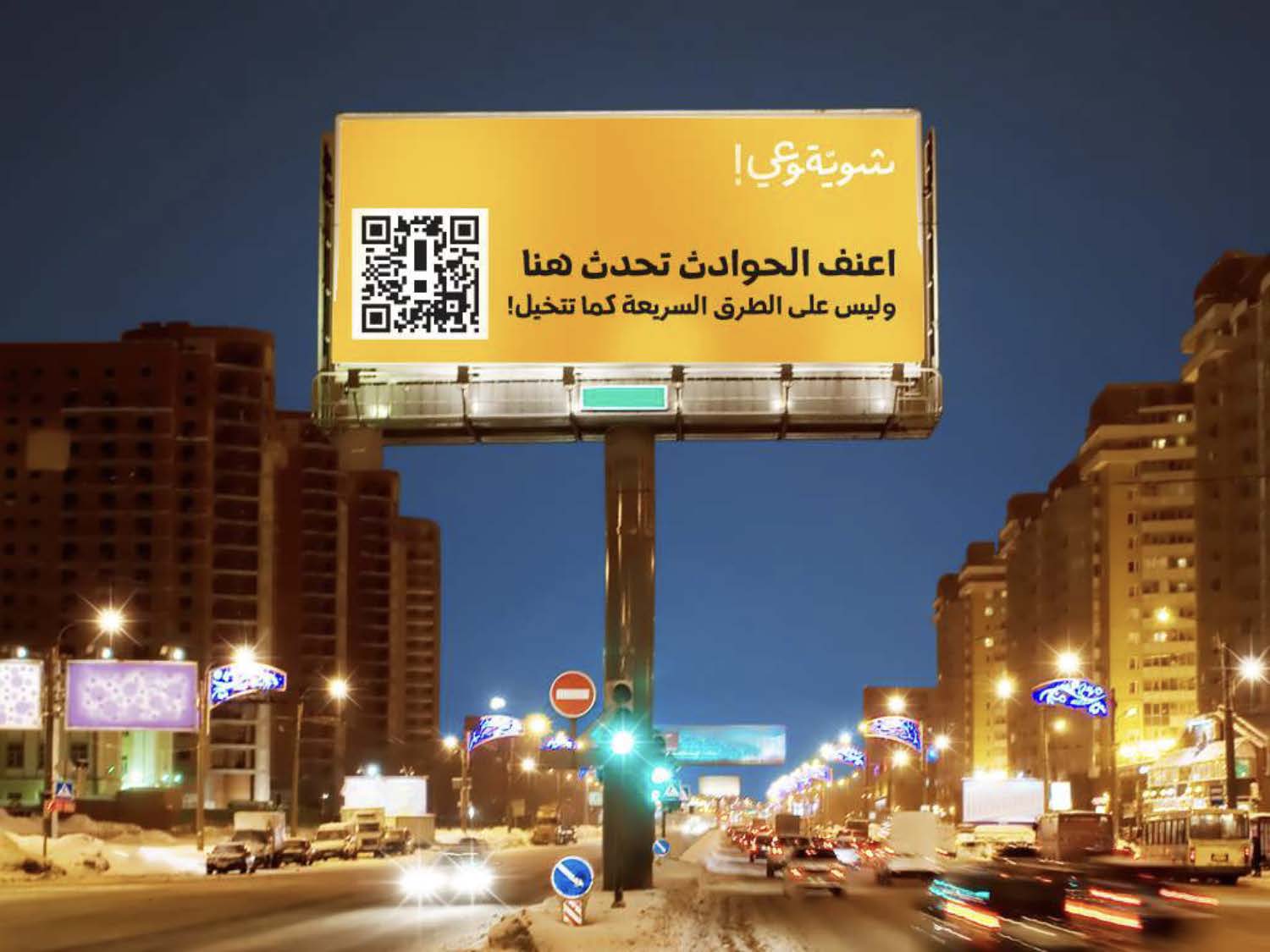
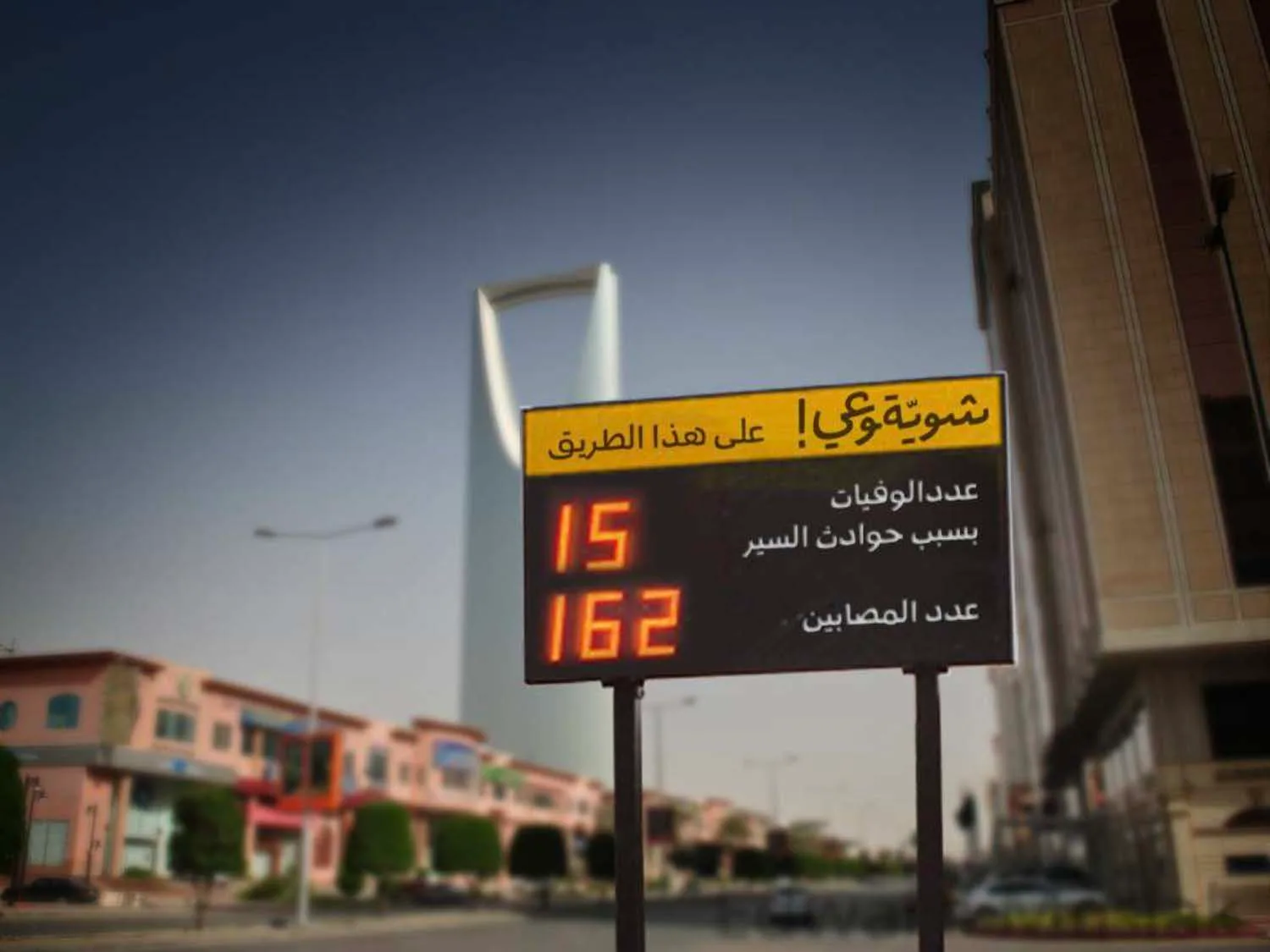
FROM MESSAGES TO CONVERSATIONS
The communication direction was built around one principle: do not speak to the audience enter their world. Instead of relying on repeated warnings, fear, or authority-led messaging, the initiative adopted a more relevant and participatory tone designed to feel closer to how young audiences consumed media, humor, entertainment, and everyday conversation.
This shift influenced both message and format. Communication moved from isolated awareness pieces toward a connected system combining entertainment-led content, digital and social media, nationwide campaign communication, PR, and community participation. Each touchpoint had a different role, but all were designed to support the same behavioral objective attract attention, challenge risky social norms, make consequences relevant, encourage participation, and sustain the conversation over time.
A connected communications system was developed to move the initiative beyond isolated awareness messages and create a more sustained relationship with the audience.
CORE ELEMENTS INCLUDED
- 01Entertainment-led content to enter the audience’s world and capture attention
- 02Behavior-reframing communication to challenge the social appeal of risky driving
- 03Nationwide awareness messaging to make consequences visible and relevant
- 04Digital & social engagement to create participation rather than passive exposure
- 05Community-building mechanisms to turn audiences into contributors and advocates
- 06PR and supporting media activity to extend reach and credibility
- 07Sustained communication to maintain momentum beyond the initial campaign burst
The system was structured around five connected phases:
PULL → PUSH → REMIND → ENGAGE → RETAIN
A BEHAVIOR-CHANGE PLATFORM, NOT JUST AN AWARENESS CAMPAIGN
Shwaiat Wa3i reframed the assignment from a traditional road-safety campaign into a broader communication system designed around relevance, participation, and continuity.
The work connected audience understanding, media behavior, communication diagnosis, and strategic planning into one integrated framework. Entertainment-led content attracted attention, broader campaign communication reinforced consequences, and community engagement created opportunities for participation and sustained dialogue.
The campaign was the visible output. The deeper outcome was a communication model designed to move from messages to conversations, target audiences to communities, and touchpoints to engagement.
THE SOLUTION WASN’T ANOTHER MESSAGE. IT WAS A DIFFERENT COMMUNICATION MODEL.
NextMawtenMawten was a strategic identity development project for a major Saudi real estate development company with a paid-up capital of SAR 1.1 billion.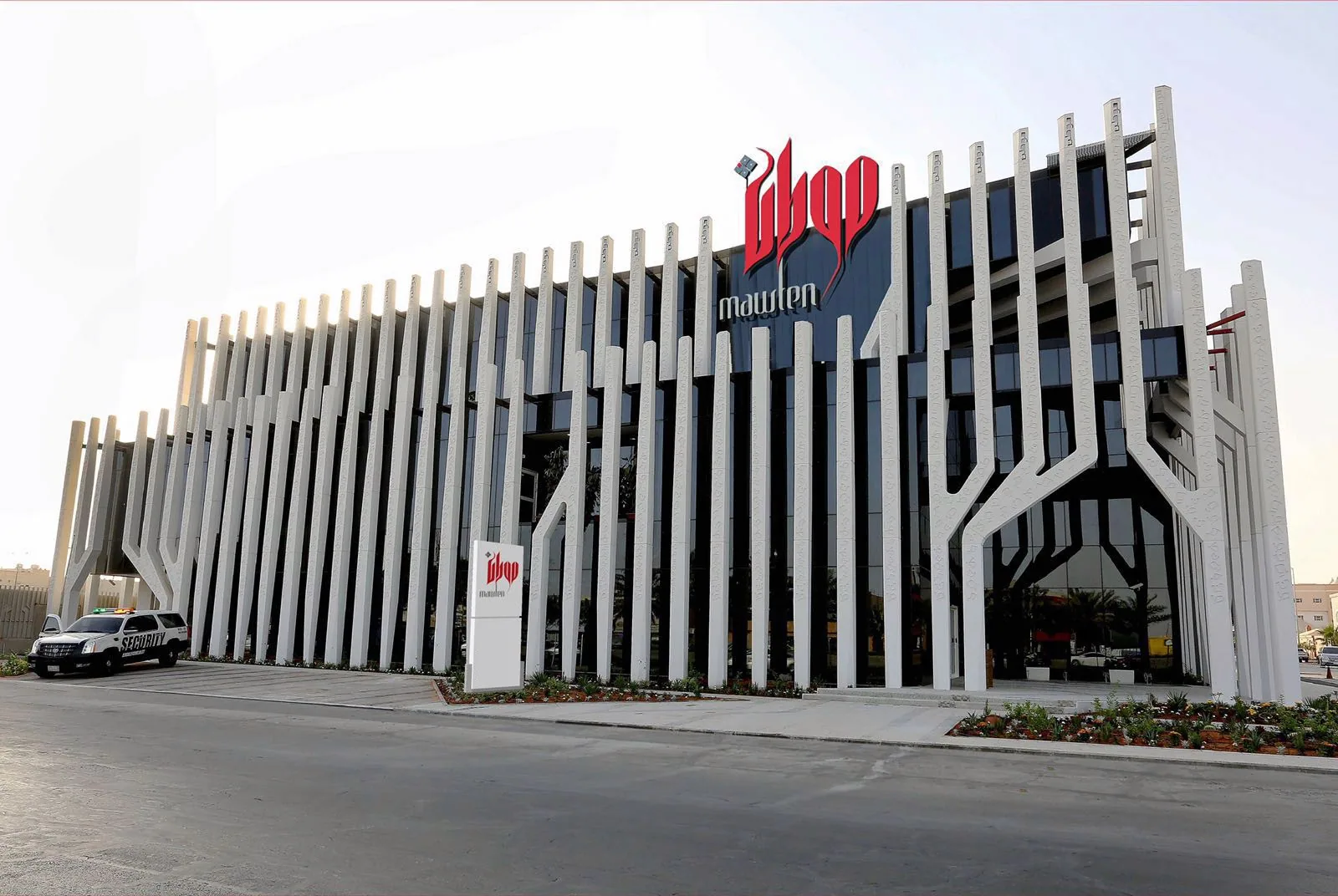

Reach Out to Me
READY TO FIX WHAT IS BLOCKING GROWTH?
From diagnosis to execution
Share your business challenge, and I will help you understand whether the issue sits in strategy, positioning, sales, marketing, brand, execution, or the way your team is organized.